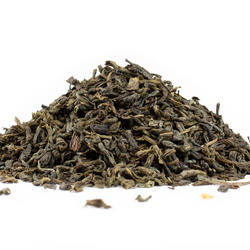
Japan Shincha Kukicha – Green Tea

In one phrase: a tea that tastes like spring. Shincha Kukicha is a Japanese specialty which celebrates freshness, purity, and harmony of the first yield of the year. It was cultivated in the Tashiro tea garden in the Makurazaki region, which is famous for its early spring harvests. It will amaze you with its subtlety, low caffeine content, and irresistible umami. Take a moment and savor the purest essence of nature.
Shipping methods
| Nizozemská pošta HD - zásilkovna | Delivered by 22. 10. | 1,00 € |
|---|---|---|
 DHL DHL |
Delivered by 22. 10. | 4,90 € |


Ingredients
Brew & Taste
Japan Shincha Kukicha is very delicate right from the first sip, but carries a surprising depth. Kukicha, or ‘stem tea’, has high L-theanine content and low levels of the bitter catechins, resulting in a smooth, slightly nutty flavor with a pleasantly sweet, silky aftertaste. The infusion has the aroma of young spring leaves, with clean grassy tones and an unobtrusive sweetness. This shincha variety (from the first spring harvest) is also characterized by a delicacy that will enchant both amateurs of the tea world as well as experienced veterans.
Origins

To find the origin of Japan Shincha Kukicha tea, we must travel to the south of Kyushu Island, specifically to Kagoshima Prefecture, which has established itself as a key producer of shincha in the world of Japanese tea. That is, tea from the first and most fresh harvest of the year.
The Tashiro Farm is located in the village of Kinkô on the Ōsumi Peninsula south of Makurazaki, in an area called the Nansatsu Plateau. Thanks to the activity of the Kaimondake volcano, it has rich volcanic soil, and thanks to its subtropical climate, it allows for the earliest tea harvests in Japan, as early as April and May. If you’re looking for them, you can find them labeled as Hashiri shincha (early shincha).
Chinese tea plants (Camellia sinensis) have been cultivated in Kagoshima since the 14th century. They were reportedly brought there by a Buddhist monk from Uji and were only small, local crops. It wasn’t until the Edo period (1603–1867) that tea production expanded under the leadership of the Satsuma clan government, although the quality was initially below average. A significant improvement occurred only in the 1950s, when local growers began to learn cultivation and processing techniques from their colleagues in the famous Shizuoka region and introduced the Yabukita variety. This increased not only the volume of tea produced, but above all its quality.
The Tashiro farm is a typical representative of this new generation of tea producers. They grow a blend of Saemidori and Asanokato cultivars, which are characterized by early growth, intense green color, high amino acid content, and pronounced umami. Since the 1980s, the prefecture has been investing in improving the quality of tea and marketing the "Kagoshima tea" brand. The result is international recognition and awards for green teas from the region. In 2025, Kagoshima even surpassed Shizuoka, the traditional leader in raw tea (ara cha) production, to become Japan's largest tea producer.
Benefits of ingredients:
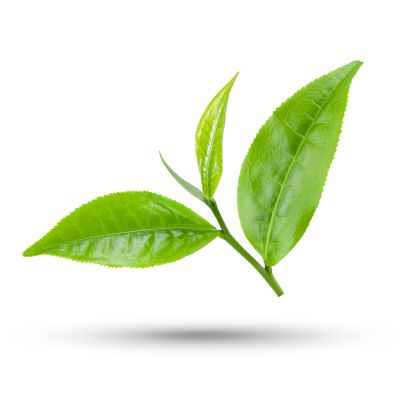

Tea packaging preview
We pack our teas in a strong, zip-lock aluminum packet which allows you to easily re-seal its contents. This container protects the quality of the tea against humidity, light or foreign odors, all of which could noticeably affect the quality of the brew.
Preparation
 70-80 °C
|
 2-3 minutes
|
 1 teaspoon for 150-200 ml
|
Instructions for preparation
- Pour 150-200 ml of boiled water (70-80°C) per 1 teaspoon of tea.
- When brewing in a teapot, add 1 extra teaspoon.
- Covered, steep for 2-3 minutes, then remove the strainer.


Are you looking for inspiration? Other customers have bought this:
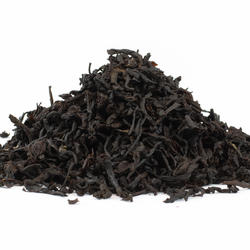
Earl Grey – Black Tea
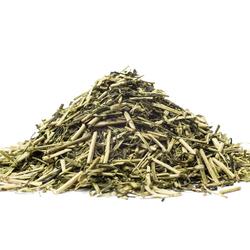
Japan Kukicha – Green Tea