


Why our products?
- Free shipping on orders over 49 €
- Satisfied customers
- Delivery date is specified within the product description
Japan’s green treasure: How matcha became the trend of 21st century
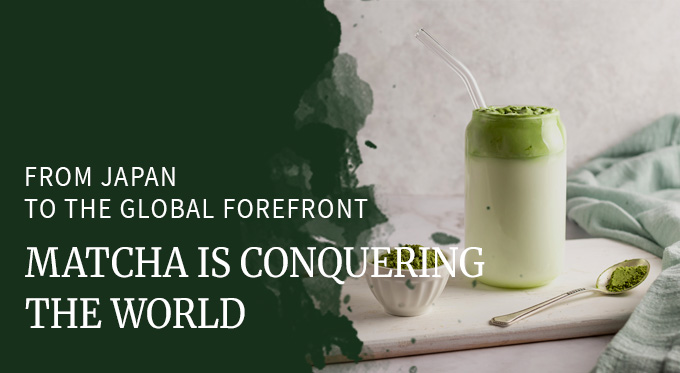
Matcha became a major business. The annual profit is exceeding billions of dollars and is still steadily growing due to the popularity it gained on social media. #Matcha has over a billion views on TikTok and videos featuring matcha preparation – that is, whisking the fine green powder into a creamy, foamy liquid with a special bamboo tool – are a recipe for virality.
The vibrant green color also makes matcha incredibly photogenic. The product was quickly picked up by influencers who started to create various recipes, from matcha latté to sweets and chocolates.
The generation that overcame coffee addiction
While parents often stick to their morning coffee, their children are seeking something new. Coffee is too aggressive, anxiety-inducing, and acidic on the stomach. What’s more, coffee leads to an inevitable caffeine crash. Matcha, on the other hand, is much more beneficial for our overall health.
Let’s look at the science behind this. The caffeine in matcha is tied to an amino acid called L-theanine, which makes its taste milder and its effects last longer. This improves the length and depth of focus, which is significantly shorter in, for example, espresso. Matcha also contains antioxidants, supports metabolism, and some studies suggest it can improve complexion.
Cafés worldwide quickly jumped on this new trend. Starbucks added matcha latté on their fixed menu and Costa Coffee followed suit. Smaller independent coffee shops started selling delicious, well-made matcha desserts.
Growing demand from the world vs. small supply from Japan
Farmers in Japan likely never expected that their matcha would suddenly become a global hit. Matcha exports increased by a third in one year and that’s still not enough to meet the demand. As a result, the prices are growing and high-quality matcha is becoming a luxury good that’s only affordable to the wealthier.
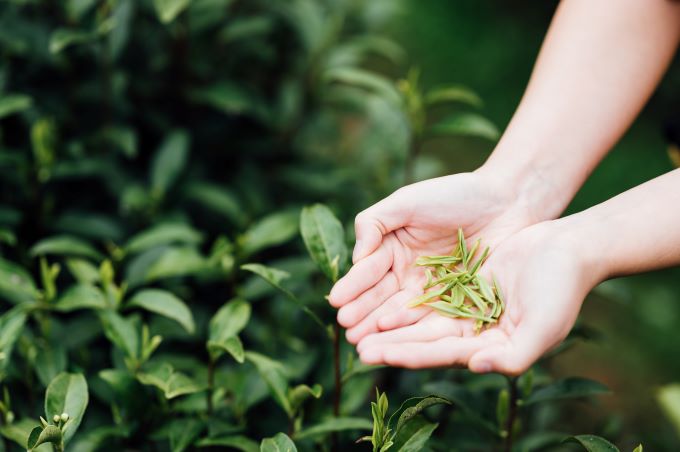
Producing matcha isn’t easy. A month before harvest, tea plants need to be shielded from the sun using special mats to increase their chlorophyll production. They’re then manually picked before the dew falls, quickly steamed, and slowly dried. Once they’re cleaned, the so-called tencha leaves are ground on special grinding stones until they become the well-known ultra-fine powder. The process lasts months and cannot be sped up without sacrificing the quality.
The rise of fake matcha
The increased demand resulted in some not-so-authentic products on the market. A number of producers started to sell regular ground green tea that’s wrongly labelled as matcha. Some countries are trying to cultivate their own ‘matcha’ without the Japanese know-how.
But there’s an enormous difference. For example, Organic Japan Matcha Kikyou from the Shizuoka prefecture is vibrantly green and creamy. If you prepare it correctly, it forms a rich foam and tastes slightly sweet and umami.
Substitutes are immediately obvious, since they’re more yellow or brown and taste bitter and unpleasant. Often, these are just cheap green teas ground into a powder.
Buyer’s guide to authentic matcha
Real matcha is always a vibrant green color – any yellow or brown tones are bad news. The powder must be extra fine, similar to baby powder, without any clumps and easily spread if you rub it between your fingers. Authentic matcha is only from Japan, with prominent regions being Uji near Kyoto, Shizuoka, or Aichi.
The best matcha is sweet with a slightly astringent finish. Overt bitterness means a low-quality product. But don’t forget there are varieties. Organic Japan Original Ceremony Premium Matcha is perfect for drinking, but Japan Cooking Matcha is better suited for desserts.
Ceremonial or cooking: quality differences
Not all matcha teas are the same. It depends on how you intend to use it. Ceremonial matcha is the highest quality, from the best tea leaves in the first harvest. It’s a beautiful green color and silky to the touch, tastes surprisingly sweet, and doesn’t have any bitterness. The best quality matcha should be savored without any additives – the Japanese only mix it with hot water and then whisk it up.
On the other end of the spectrum lies cooking matcha, which comes from later harvests. The taste is more pronounced, so it’s suited for desserts or drinks. It’s also noticeably cheaper. The middle of the road between the two is premium matcha, which combines good quality with practical use – it’s good for drinking but also matcha latté and sweets.
How to store matcha
Authentic matcha has a short shelf-life if you leave it out in the sun or on the kitchen counter. If you want it to last for a few months, refrigerate it. You could also store it in a dark, cool place such as the pantry, as long as it’s far away from any heat sources. The container should be sealed shut.
After opening, it’s best to use it within two months. You can recognize expired matcha by the color changing from green to yellow or brown and the taste becoming bitter. Good matcha should smell fresh and grassy. If you notice a stale or sour smell, it’s time to throw it out. Never use transparent containers or store it in direct sunlight, or you’ll be risking the loss of precious antioxidants and chlorophyll content, which is responsible for the fresh green color.
Matcha, the ruler of kitchens and beauty
Modern gastronomy struck gold with matcha. Its signature green color and specific taste are especially popular in ice creams, chocolate, desserts, even savory foods. Matcha tiramisu, cheesecake, or macaroons can be found in almost any pâtisserie worldwide.
There are even special flavored versions for people who dislike the intense taste of pure matcha. Cool Matcha Strawberry-Vanilla combines the traditional Japanese tea with the European preference – try adding about 2 g to your fruit smoothie and you’ll never want to drink anything else ever again.
Cool Matcha Chocolate-Orange blends the refreshing taste of citruses with milk chocolate while Cool Matcha Toffee is a guaranteed hit for all caramel lovers. Even the beauty industry jumped on the matcha train – the contained antioxidants are perfect for anti-aging creams, face masks, and eye serums. Japanese beauty salons even offer whole-body matcha treatments.
Money makes the rules
The success of matcha radically changed Japanese agriculture. Tea farms which were on the verge of bankruptcy just a few years prior now can’t produce matcha fast enough. Its prices rose two to three times in the last five years.
But it’s not that simple. On one hand, young Japanese men are returning to a prospective traditional craft. However, on the other hand, many people now cannot afford to buy their healthy beverage. Some countries such as South Korea, Taiwan, or California are experimenting with cultivating non-Japanese matcha, but they’re far from the high standards set by the original.
Some cafés now offer simplified versions of traditional tea ceremony. People can learn to correctly prepare matcha with a chasen, find out about the significance of chawan bowls, and discover the meditative properties of preparing tea.
