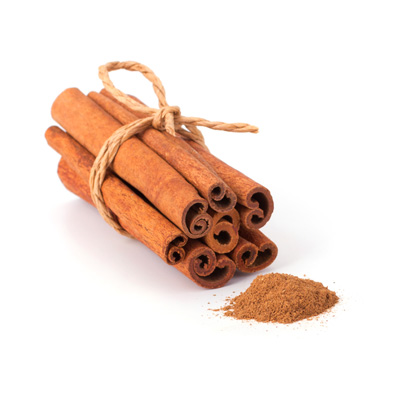
Indonesian Cinnamon – Sticks

Cinnamon from Indonesia is something special. It grows on the slopes of volcanoes, farmed by local families for generations, with a taste much stronger than other varieties – potent and sweet, with warm and spicy notes. Unlike Ceylon cinnamon, Indonesian cinnamon is concentrated and powerful. Get your hands on a spice wars were waged for.
Shipping methods
| Nizozemská pošta HD - zásilkovna | Delivered by 24. 9. | 1,00 € |
|---|---|---|
 DHL DHL |
Delivered by 24. 9. | 4,90 € |


Ingredients
100 % Indonesian CinnamonBrew & Taste
Indonesian cinnamon has a sweet and savory aroma with a hint of spice, making it more intense than Ceylon cinnamon. The sticks are a golden brown to dark chestnut color, with a matt surface and a sturdy structure. This cinnamon isn’t suited for direct consumption – they’re best for cooking or baking, where they slowly release the silica oils contained within. Any dish you make with them will smell heavenly.
Origins
Indonesia has more than 17,000 islands and has been trading spices since ancient times. Cinnamon trees grow in the mountains, where the climate is humid and the volcanic soil is rich in minerals, giving the cinnamon its rich flavor. Processing follows traditional methods that local communities have practiced for centuries.
The bark is carefully cut from the branches, slowly dried, and rolled into sticks. This process requires experience and precision. In order to preserve the necessary aroma, the correct timing and pace of drying must be maintained.
Cinnamon used to be more valuable than gold. Only the wealthiest could afford it, while merchants traveled for weeks and months to obtain it. Arab merchants even kept the origin of the spice a secret to protect their profits. But it wasn't just about the flavor; cinnamon was also prized in ceremonies and given as a gift to kings themselves.
In India and the Middle East, almost no traditional dish can do without cinnamon to this day.
Benefits of ingredients:

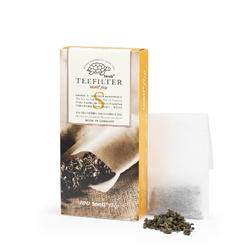
Herb packaging preview
We pack our herbs in a strong, zip-lock aluminum packet which allows you to easily re-seal its contents. Thanks to the hermetic seal, the herbs are protected against humidity, light and foreign odors, all of which could noticeably affect the quality of the brew and the herb itself.


Are you looking for inspiration? Other customers have bought this:
China Sencha – Green Tea
Hibiscus Tea